Here's the cost of believing the myths: every year a woman avoids the weight rack because she's afraid of "getting bulky," she's not staying neutral. She's losing muscle, slowing her metabolism, and falling further behind the women who've already figured out that strength training is the missing piece, not the enemy.
When it comes to women and strength training, the myths are loud, and the science is often drowned out. To set the record straight, we sat down with Lindsey, a board-certified family nurse practitioner with over 16 years of healthcare experience and a specialization in hormone optimization, peptide therapy, and lifestyle medicine. Lindsey brings a rare combination of clinical depth and athletic credibility: she's a certified health coach through the Integrative Women's Health Institute, and is currently completing her doctorate in lifestyle medicine at Florida State University. In partnership with Joi + Blokes, we asked her the questions women are actually Googling, to help debunk common myths that are out there and get the answers that you deserve.
Before we get into the myths, here's what's driving a lot of the fear behind them, and why the old advice no longer holds up.
As women move through their 30s, 40s, and into perimenopause and menopause, several things shift at once: estrogen declines, which affects bone density and muscle preservation. Insulin sensitivity can drop, making fat loss harder on cardio alone. Cortisol regulation becomes more sensitive to poor sleep and under-recovery. Lean muscle mass, if not actively maintained, starts to decline year over year, taking metabolic rate down with it.
This is exactly why the "light weights, high reps, lots of cardio" advice most women were raised on stops working, and often backfires, later in life. Strength training isn't optional at this stage. It's one of the few tools that directly counteracts all four of these shifts at once.
TRUTH: One of the biggest fears women have when starting strength training is that they'll suddenly become "too muscular."
The reality? Building large amounts of muscle is incredibly difficult for women because we simply don't have the same levels of testosterone as men.
What strength training actually does for most women is:
Many women are surprised to find that the scale may not change dramatically, but their clothes fit better, they lose inches, and they feel stronger than ever.
Muscle doesn't make you bulky, it helps create the strong, lean physique many women are actually trying to achieve.
TRUTH: Cardio has benefits for heart health and endurance, but when weight loss is the goal, strength training is often the missing piece.
Here's why: muscle tissue burns more calories than fat tissue, even when you're resting. The more muscle you maintain, the more metabolically active your body becomes.
Strength training helps:
Many women spend years doing more and more cardio while eating less, only to find their progress stalls.
The goal isn't choosing cardio OR strength training. The most effective approach is often a combination of both, with strength training serving as the foundation for a healthy metabolism. Think of muscle as your body's metabolic currency.
This is exactly the gap F45 is built to close. Instead of forcing a choice between cardio and strength, F45's 45-minute format blends resistance training, functional movement, and high-intensity conditioning into a single session, so you're building the metabolic currency and getting the cardiovascular benefit at the same time, not trading one for the other.
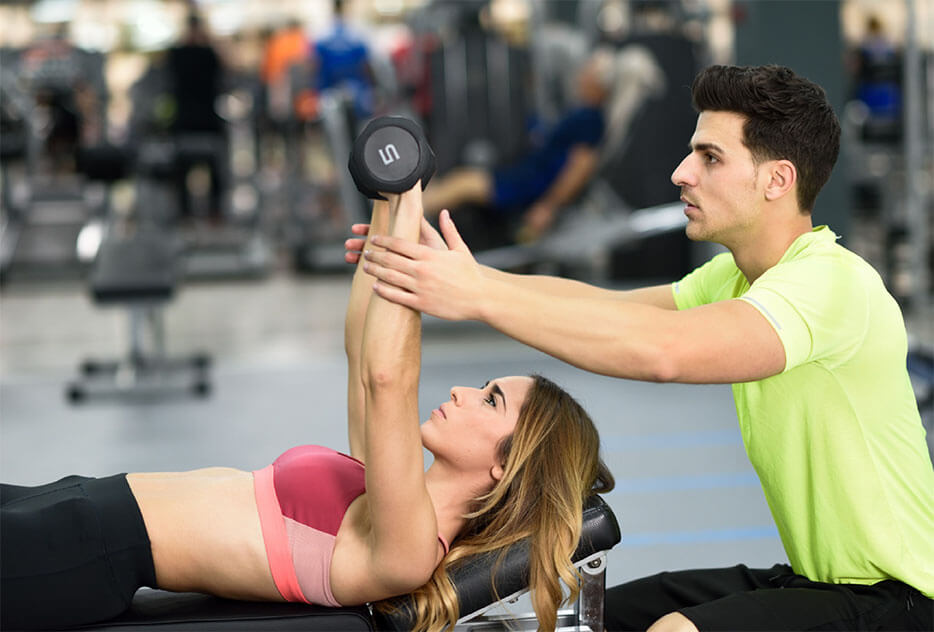
TRUTH: Somewhere along the way, women were taught that lifting tiny dumbbells for endless repetitions was the best way to "tone." But muscles don't know if you're male or female, they respond to challenge.
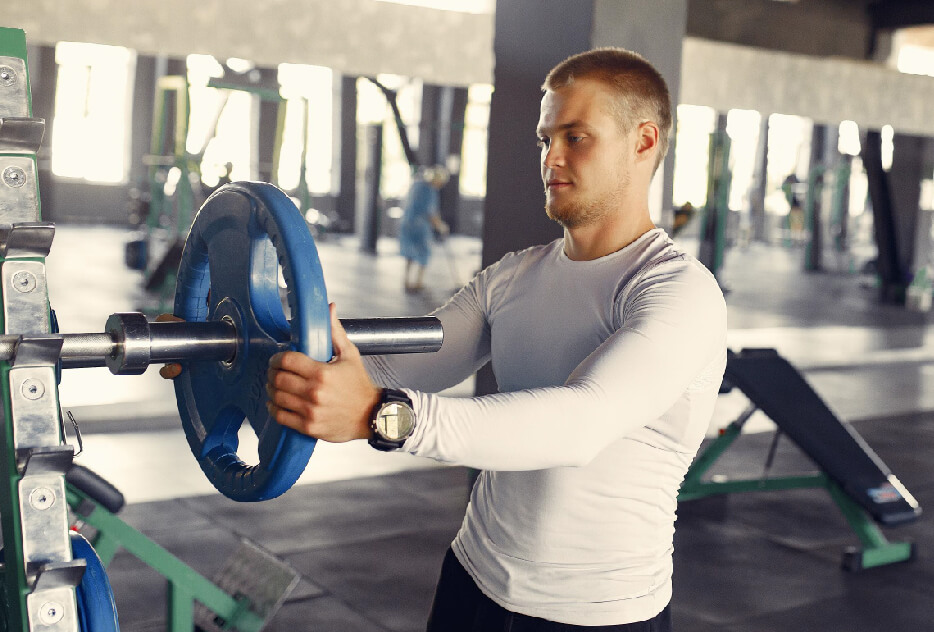
To build strength, improve body composition, and increase muscle mass, women benefit from progressive overload just like men do.
Progressive overload means:
"Heavier" doesn't mean lifting the heaviest weight in the gym. It means choosing a weight that feels challenging for YOU while maintaining proper form. If the last few reps feel difficult, you're likely in the right place.
Strong women aren't created by staying comfortable, they're created by progressively getting stronger.
TRUTH: Many women hear the word cortisol and assume exercise is automatically making it worse. The truth is that exercise is a stressor, but not all stress is bad.
The body actually becomes stronger and more resilient when exposed to the right amount of stress followed by adequate recovery.
Strategic strength training can:
The issue isn't usually the workout itself. The issue is when women combine:
In those situations, the body can struggle to recover. When programmed appropriately, strength training is often one of the best tools for improving overall stress resilience, not worsening it.
TRUTH: The scale only tells you one thing: your total body weight.
It tells you nothing about:
When women start strength training, it's common to see little change, or even a temporary increase, on the scale.
At the same time they often notice:
The goal isn't simply weighing less. The goal is becoming healthier, stronger, and more resilient.
A stronger body with more muscle often weighs the same, or sometimes more, than before, while looking completely different.
That's why progress photos, measurements, strength gains, and how you feel are often much better indicators of success than the scale alone.
TRUTH: Creatine is one of the most researched and safest supplements available, and it's not just for men. Women can benefit tremendously from creatine supplementation. Creatine helps your body produce energy during high-intensity activities like strength training, which can improve performance, recovery, and muscle function.
Research shows creatine may help support:
One of the biggest concerns women have is bloating. While some women notice a temporary increase in water retention when first starting creatine, this is typically water being stored inside muscle cells, not under the skin. This is very different from the puffy or swollen feeling most people associate with bloating. And no, creatine does not make women masculine.
Women simply do not have the hormonal profile required to suddenly develop large amounts of muscle from taking creatine. Creatine doesn't change your hormones, it simply helps your muscles and brain access energy more efficiently.
For many women, especially those in perimenopause and menopause, creatine may be one of the most beneficial supplements for supporting strength, muscle preservation, cognitive function, and healthy aging.
TRUTH: One of the most persistent fitness myths is that doing endless exercises for a certain area will burn fat from that specific location. Unfortunately, that's not how the body works. You cannot choose where your body loses fat.
Fat loss occurs systemically, meaning your body decides where fat is stored and where it comes off based on factors like:
For example:
What those exercises WILL do is strengthen and build muscle underneath the area.
The most effective approach for reducing body fat is:
As overall body fat decreases, you'll eventually notice changes in those stubborn areas. The goal isn't to train a body part to lose fat. The goal is to create an environment where your body can lose fat overall.
TRUTH: Many women avoid strength training because they're afraid it will wear out their joints or cause knee problems.
The reality is often the exact opposite. Research consistently shows that properly performed strength training can help protect joints by strengthening the muscles, tendons, and ligaments that support them. Strong muscles act like shock absorbers for your joints. Strength training can help:
In fact, strength training is commonly recommended as part of treatment programs for knee osteoarthritis and chronic joint pain. What typically causes problems isn't strength training itself. It's:
When done correctly, lifting weights can be one of the best things you do for your knees and long-term joint health.
Your joints don't become healthier by avoiding movement. They become healthier by getting stronger.
Here's what separates women who see steady, sustainable results from women who keep starting over: knowing what's actually happening inside their bodies, not just guessing based on how they feel.
A full picture typically includes hormone levels (estrogen, testosterone, thyroid), insulin sensitivity, inflammation markers, and bone density, especially heading into perimenopause and menopause. Each one shapes how your body responds to training, and without that information, it's easy to blame the workout when the real issue is something happening underneath it.
Every myth on this list has kept women out of the weight room for years longer than necessary. The women who've stopped believing them aren't just stronger, they're leaner, more resilient, and aging on their own terms.
For more on Joi + Blokes and to take advantage of your exclusive F45 member offer, visit Joi + Blokes.
This article is intended for informational purposes only and does not constitute medical advice or consultation. Always consult with your physician or a qualified healthcare professional before beginning a new workout regimen.



© 2026 F45 Rice Military. All rights reserved.
Powered by Capline Healthcare Management – a top-rated solution provider for U.S. healthcare.